
FISH
FISH
Kentucky Lake
& Lake Barkley
Winter Fishing on Kentucky Lake & Lake Barkley
Winter brings a quieter feel to Kentucky Lake and Lake Barkley. The busy summer boating season is a distant memory, the trees have lost their leaves, and on some days, you might have a pretty good stretch of water all to yourself.
Of course, there’s a reason fewer boats are out there. It can get downright cold around here!
But for anglers willing to bundle up and keep an eye on the weather, winter can offer some rewarding fishing opportunities. Crappie and bass remain active throughout the colder months, and a stretch of favorable weather can make for an enjoyable day on the water.
The trick is understanding how fish behave during colder conditions, knowing where to look, and choosing your days carefully.
Finding the Right Weather Window
December, January, and February can bring just about everything to Kentucky Lake and Lake Barkley. One week might feature bitter cold, strong winds, and even some snow. The next could bring sunshine and afternoon temperatures comfortable enough to make you forget it’s winter.
Those changes can have a big influence on fishing trips.
Strong winds and prolonged cold spells may limit the areas anglers can safely reach, while calmer days can provide opportunities to explore the deeper structure and creek channels that are popular during winter.
Longtime Kentucky Lake fishing guide Steve McCadams has frequently described the challenges winter weather creates for bass and crappie anglers. In some cases, the biggest obstacle wasn’t necessarily finding fish. It was finding a day when conditions were favorable enough to get out and look for them.
A slow week of reported catches doesn’t always mean the fish have stopped biting. Sometimes there simply haven’t been many anglers on the water.
When planning a winter trip, pay close attention to the forecast. A relatively calm day with manageable temperatures may be a better opportunity than trying to force a trip during a stretch of cold, windy weather.
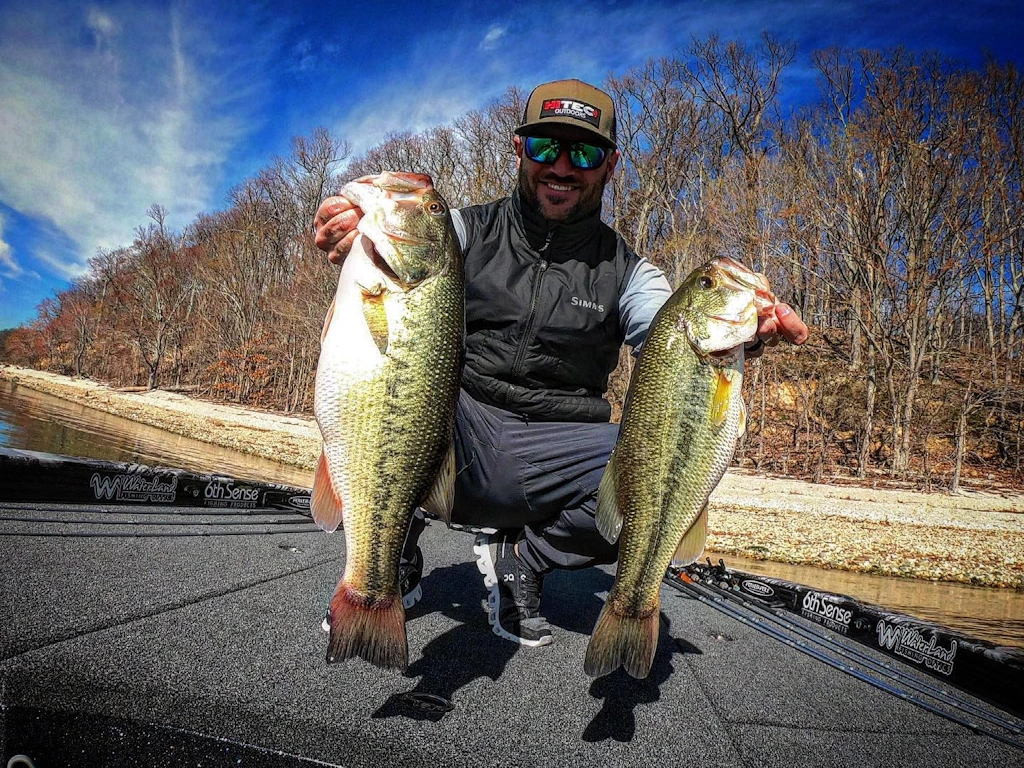
Professional angler Brandon Hunter out doing some winter fishing. Photo courtesy Brandon Hunter.
Winter Crappie Fishing: Deep Water and Beyond
Crappie are among the most popular winter fishing targets on Kentucky Lake and Lake Barkley.
While spring crappie fishing gets much of the attention, cold-weather anglers can find opportunities around offshore cover, creek channels, and deeper sections of the reservoirs.
As water temperatures fall, crappie may gather around deeper brush piles, submerged timber, stakebeds, and channel edges. These areas can provide places to investigate when fish are no longer concentrated around the shallow habitat they used during warmer months.
Vertical jigging and fishing live minnows are popular winter approaches, particularly when anglers locate fish holding around deeper cover.
But don’t assume every winter crappie is sitting near the bottom of a deep brush pile.
Finding Suspended Winter Crappie
Some winter crappie may suspend away from structure, particularly when schools of shad are nearby.
Kentucky Lake fishing guide John Morgan has described finding crappie suspended near large concentrations of shad during late-winter warming conditions. Using forward-facing sonar, he located fish away from traditional bottom-oriented cover and caught them by casting small jigs.
His observations are a good reminder that winter crappie fishing doesn’t always require dropping a bait straight down into deep water.
Electronics can be especially helpful when searching for suspended fish. Traditional sonar can help identify baitfish and likely holding areas, while forward-facing sonar offers another way to locate individual fish and present a lure at their depth.
For anglers without that equipment, searching different depths around channel edges and established fishing areas can still be worthwhile.
The important thing is to figure out where the fish are holding before deciding how to fish for them.
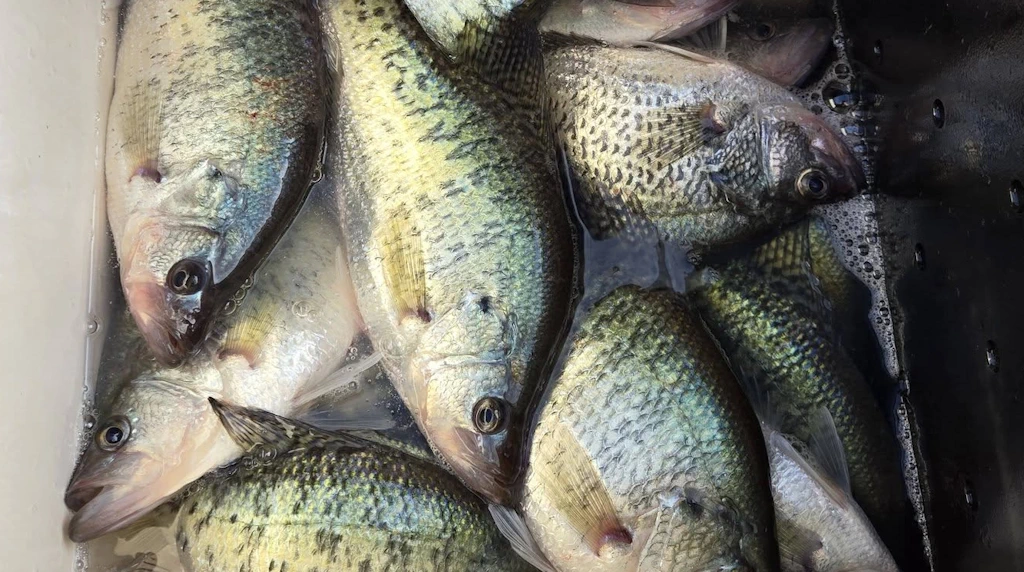
A cooler full of crappie caught in February by John Morgan and his clients. Photo courtesy John Morgan.
Don't Completely Ignore Shallower Water
Bass fishing continues through the winter months, although the techniques and locations anglers use can look considerably different from their spring and summer approaches.
On Kentucky Lake and Lake Barkley, winter bass anglers often investigate main lake points, rocky banks, channel drops, and other structure with access to deeper water.
These locations can provide opportunities to target fish without relying entirely on the shallow-water patterns that dominate certain parts of the warmer seasons.
Suspending jerkbaits, jigs, and blade baits are among the presentations commonly associated with cold-water bass fishing.
Presentations for Cold-Water Bass
A suspending jerkbait can be useful around rocky points, bluff banks, and areas where bass may be holding near deeper water.
Unlike a continuously retrieved crankbait, a suspending jerkbait allows anglers to pause the presentation in the strike zone. Longer pauses and less aggressive movements are worth experimenting with when fish aren’t responding to faster retrieves.
Jigs can also be worked along rocky bottoms, points, and other structure. Slower retrieves give anglers an opportunity to keep a bait near areas where bass may be holding.
Blade baits provide another option, particularly around deeper points and channel structure.
Of course, slower presentations aren’t a guarantee of success. Fish location, water clarity, weather, and the presence of baitfish can all affect which technique produces.
Winter bass fishing can require patience, but that’s part of the challenge.
Late Winter: The First Signs of Spring
By February, anglers may begin looking for the first signs of the approaching spring fishing season.
A stretch of warmer weather can create some interesting opportunities, particularly in protected bays and shallower areas where water temperatures may begin responding to longer periods of sunshine.
But February doesn’t automatically mean spring fishing has arrived.
Cold fronts can interrupt warming trends, and fish may continue using winter locations well into March.
Crappie are especially interesting during this transition. Some fish may begin shifting toward areas they’ll use as the spawning season approaches, while others remain around deeper structure or suspended near forage.
Experts agree that late winter is as an important time for crappie fishing on Kentucky Lake and Lake Barkley, with black crappie sometimes moving into shallower water ahead of the main spawning season.
For anglers visiting late in the winter, that means it’s worth paying attention to changing conditions rather than assuming the fish are still following the same patterns they used in December.
There may be a little spring fishing mixed into your winter trip before the calendar officially catches up!
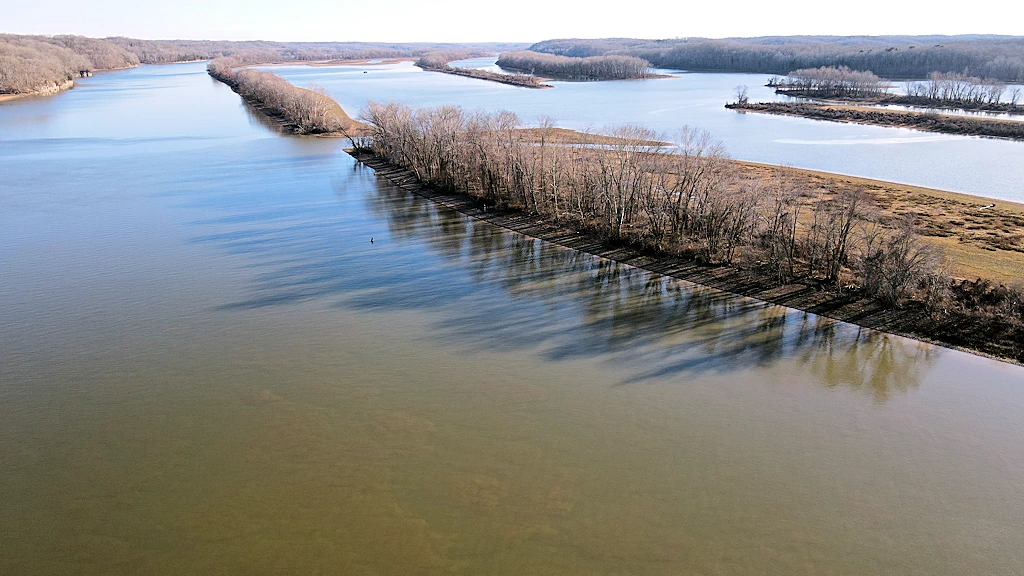
Winter scene from Lake Barkley at Linton. Photo by Explore Kentucky Lake staff.
Winter Water Levels and Lake Conditions
Water levels are another important consideration when fishing Kentucky Lake and Lake Barkley during winter.
Both reservoirs are managed for navigation, flood control, and other purposes, and elevations during the colder months are generally lower than the higher water levels anglers encounter during spring and early summer.
Lower water can expose shoreline areas and bring underwater hazards closer to the surface.
Shallow bars, stumps, old roadbeds, and other obstructions deserve particular attention, especially when traveling outside marked navigation channels.
Water levels can also rise or fall in response to rainfall and reservoir operations, so don’t assume that winter means the elevation will remain unchanged.
For anglers fishing points, creek channels, and offshore structure, monitoring lake levels and current can provide useful context.
And remember that winter weather can change conditions quickly. Heavy rainfall may affect water clarity, while periods of strong wind can make exposed areas of the reservoirs difficult to fish safely.
Cold-Weather Fishing Safety
Winter can provide some peaceful days on Kentucky Lake and Lake Barkley, but cold-water boating deserves extra attention.
Even on an unusually warm winter afternoon, the lake water may still be dangerously cold. Falling overboard in those conditions can quickly become a life-threatening emergency.
Before heading out, take a few precautions.
Wear a life jacket. A properly fitted life jacket is especially important during cold-water fishing, even for experienced boaters and strong swimmers.
Dress for the water, not just the air temperature. Layer your clothing appropriately and consider cold-water protective gear. A sunny afternoon doesn’t mean the water is warm. Have an extra set of clothes just in case.
Let someone know your plans. Share where you’ll be fishing and when you expect to return.
Check the weather and wind. A calm morning can turn into an uncomfortable afternoon, particularly on the exposed waters of these large reservoirs.
Have a way to call for help. Carry reliable communication equipment, and make sure your phone is fully charged if you need assistance.
It’s also wise to think about how you would get back into the boat if you fell overboard. Reboarding can be extremely difficult when you’re wearing heavy winter clothing and dealing with cold water.
There’s nothing wrong with postponing a fishing trip when conditions aren’t favorable. The fish will still be there another day.
Planning Your Winter Fishing Trip
Winter fishing around Kentucky Lake and Lake Barkley can be a nice change of pace, especially for anglers who enjoy quieter conditions and don’t mind a little cold weather.
But preparation becomes especially important this time of year.
Before heading out, here are a few things worth checking:
Weather forecast: Look beyond the afternoon high temperature. Pay attention to wind speeds, precipitation, and changing conditions throughout the day.
Water temperatures: Watch for extended warming or cooling trends, particularly as winter begins transitioning toward spring.
Lake levels: Check current reservoir elevations and recent changes, especially if you’ll be traveling through unfamiliar areas.
Water clarity: Heavy rainfall and runoff can affect fishing conditions in bays and creeks.
Recent fishing reports: Local reports can provide insight into productive locations, recent weather, and the techniques anglers are using.
If you’re unfamiliar with winter fishing on these reservoirs, a local fishing guide may also be worth considering.
Enjoy Winter Fishing on Kentucky Lake & Lake Barkley
Winter might not be the first season that comes to mind when planning a fishing trip to Kentucky Lake or Lake Barkley, but there’s still plenty of opportunity for anglers who enjoy being on the water.
Crappie can be found around deeper cover or suspended near baitfish, while bass offer opportunities along points, rocky banks, and other cold-water structure.
And as winter begins giving way to spring, changing temperatures can introduce an entirely new set of fishing possibilities.
The important thing is to be flexible, pay attention to conditions, and never let the prospect of catching a few fish outweigh safety.
Before your trip, check our latest fishing reports, review current lake conditions, and browse our fishing guide listings for additional local information.
You might need an extra layer or two, a good pair of gloves, and a thermos of hot coffee, but winter can be a pretty enjoyable time to spend a day fishing around our lakes.

MORE FISHING
HOW'S THE BITE?
- Largemouth
- Smallmouth
- Crappie
- Bluegill Not Available
- Catfish Not Available
- White Bass Not Available
- Yellow Bass Not Available