
FISH
FISH
Kentucky Lake
& Lake Barkley
Fall Fishing on Kentucky Lake & Lake Barkley
Fall is a wonderful time to be on Kentucky Lake and Lake Barkley. The summer crowds begin to thin out, the mornings get a little cooler, and eventually, the trees surrounding our lakes put on quite a show.
For anglers, it’s also a season full of changing fishing patterns and new opportunities.
But fall fishing around here can be a little tricky to figure out. The calendar says October, the mornings are getting cooler, and the leaves are starting to change. You’d think the fish would get the message, too.
Sometimes they do. Other times, bass and crappie are still hanging around their summer locations, and the big fall movement everyone has been waiting for seems to be running a little behind schedule.
That’s why paying attention to water temperatures, baitfish, and changing lake conditions is often more useful than paying attention to the date.
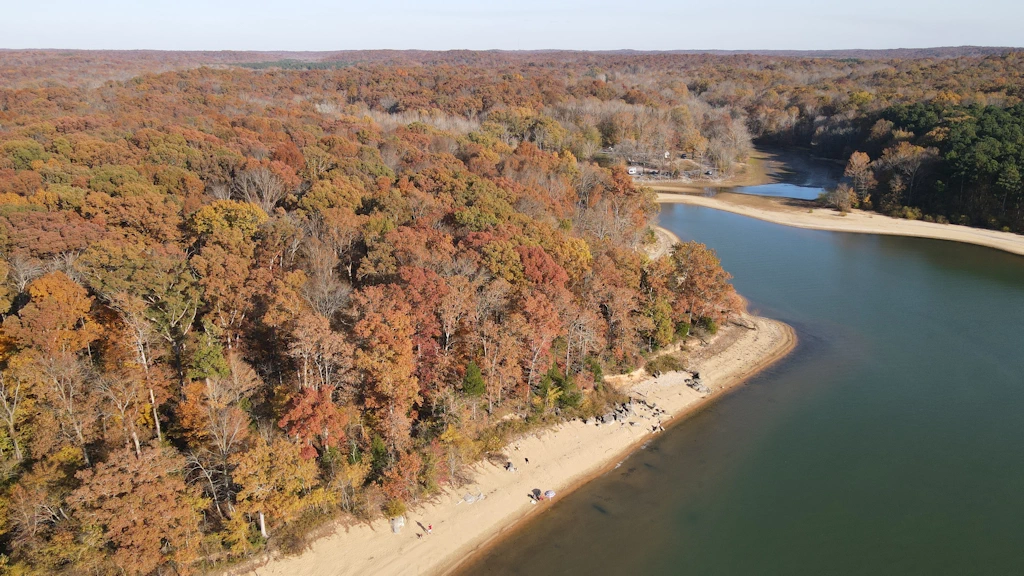
Fall is a beautiful time to go fishing at Kentucky Lake. Photo by Explore Kentucky Lake staff.
Early Fall: Summer Isn't Quite Finished
September might signal the beginning of fall, but Kentucky Lake and Lake Barkley can still feel an awful lot like summer.
Water temperatures often remain warm well into the month, particularly after a stretch of hot weather. Bass may continue using offshore ledges and deeper structure, while crappie can still be found around many of their summer locations.
The transition toward fall patterns usually develops gradually, and it doesn’t happen everywhere at once.
Protected bays, creek arms, and main lake areas can experience different conditions. A few cooler nights may begin changing the fishing in one area while another continues producing on summer patterns.
For anglers visiting in September, that means there’s no reason to abandon the techniques that worked during July and August.
Deep-diving crankbaits, jigs, and soft plastics can still be useful around offshore bass structure. Crappie anglers may continue finding fish along creek channel edges, around deeper cover, or suspended away from the banks.
At the same time, the first signs of a shallow-water feeding pattern may begin showing up.
That’s what makes early fall interesting. You might find fish beginning to move toward their autumn locations, or you might discover that summer fishing is still hanging on.
Fall Bass Fishing: Following the Shad
As fall progresses and water temperatures begin cooling, shad become an especially important part of the fishing picture.
Kentucky Lake and Lake Barkley support populations of forage fish that bass feed on throughout the year. During fall, shad may begin moving toward creek arms, bays, and shallower areas, creating opportunities for bass to follow.
But don’t assume that every school of shad immediately heads to the back of the nearest creek.
Baitfish may be concentrated around creek mouths, secondary points, shallow flats, or along channel edges. Their locations can change as weather and water conditions change.
For bass anglers, locating active baitfish can be a good starting point.
A creek arm with plenty of shad activity may be worth exploring, but so can a main lake flat or a point near deeper water. And if you’re not seeing baitfish or getting bites, don’t be afraid to move.
Shallow-Water Bass Fishing in the Fall
One of the more enjoyable aspects of fall bass fishing is the opportunity to work shallow water.
As conditions change, bass may feed along rocky banks, shallow bars, gravel points, and flats. Topwater lures can be particularly exciting when fish are actively chasing shad near the surface.
In his reports, Kentucky Lake fishing guide Scott McGlinchey of Shelldiver Guide Service has described excellent fall bass fishing in surprisingly shallow water, including main lake bars, flat banks, and the backs of creek arms.
He’s also reported productive topwater fishing well beyond the early morning hours, with bass feeding on shad throughout different parts of the day.
That’s worth remembering if you’re accustomed to putting the topwater rod away once the sun gets high.
Walking baits, poppers, and other surface presentations can be worth trying when bass are actively feeding near the surface. Spinnerbaits, swimbaits, and shallow-running crankbaits provide alternatives when fish aren’t interested in coming all the way to the top.
Wind can also make certain shorelines and shallow areas worth investigating, particularly when baitfish are present.
Of course, not every fall day produces a shallow-water feeding frenzy. If the fish aren’t cooperating, nearby points, creek channel drops, and deeper structure may offer another option.
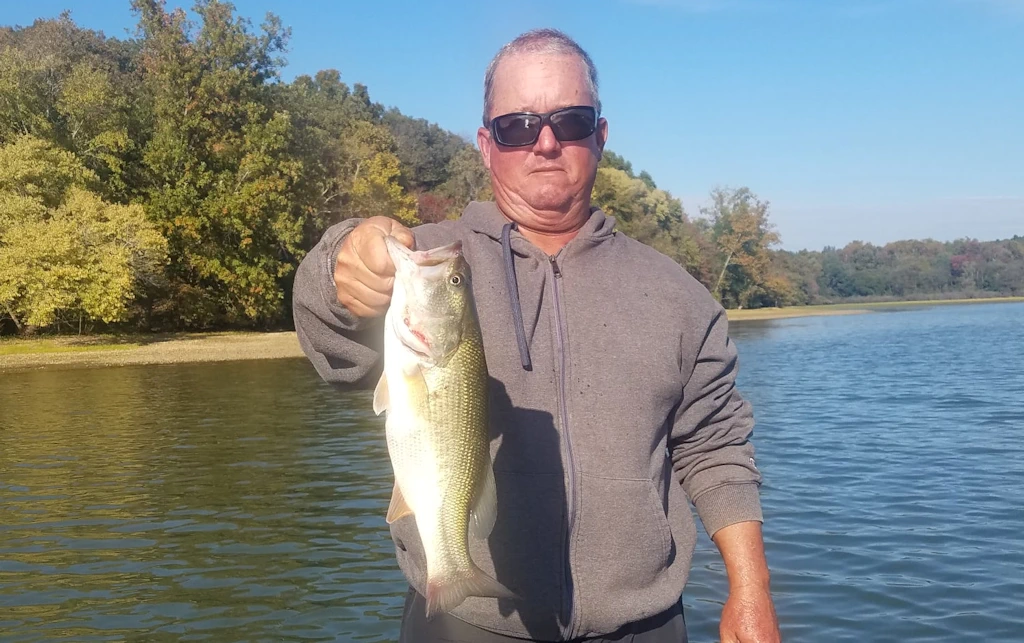
Photo courtesy Scott McGlinchey.
Fall Crappie Fishing: Finding the Right Depth
Crappie fishing doesn’t end when the spring spawning season is over. Fall can provide some excellent opportunities on Kentucky Lake and Lake Barkley, although finding the fish may require a little searching.
Early in the season, crappie may still be using deeper water and offshore structure associated with their summer patterns.
As temperatures cool, some fish begin using different areas of the lakes, including creek channels, submerged cover, and locations closer to shallower water.
That doesn’t mean every crappie moves toward the banks at the same time.
Some fish may remain suspended along deeper channel edges, while others show up around brush piles, stakebeds, or shallower portions of bays.
Trolling and Fishing Around Cover
Trolling crankbaits can be a useful approach when crappie are scattered and anglers need to cover water to locate them.
Longtime fishing report contributor Rich Bay, who operates Kick’n Bass Guide Service, has described September crappie fishing that still resembled summer, with fish holding around deeper bays and ledges.
His experiences are a good reminder that cooler mornings don’t necessarily mean crappie have abandoned their summer locations.
For anglers who prefer a more targeted approach, vertical jigging and fishing minnows around submerged brush piles and stakebeds can also be productive.
As the water continues cooling, casting small jigs around cover or fishing beneath a slip float may provide additional opportunities.
Electronics can help locate submerged structure and suspended fish, but it’s still important to experiment with different depths and presentations.
A brush pile that was productive last week might not hold the same number of fish today. And sometimes, finding the right depth is more important than finding a particular piece of cover.
That’s part of the challenge of fall crappie fishing. The fish are still there, but they don’t always make themselves easy to find.
Falling Lake Levels: An Important Part of Fall Fishing
One of the biggest seasonal changes anglers need to understand on Kentucky Lake and Lake Barkley is the transition toward lower winter water levels.
Both reservoirs are managed for multiple purposes, including navigation, flood control, and water management. Their elevations change throughout the year, and lower levels become an important consideration during fall.
Kentucky Lake’s seasonal drawdown actually begins during the summer, so by the time September arrives, the water may already be noticeably lower than it was during the spring and early summer.
Those lower lake levels can change both fishing opportunities and navigation.
Changing Shoreline Cover
As the lakes fall, shoreline bushes, vegetation, and other shallow-water cover may become exposed.
Areas that provided plenty of flooded cover during spring and early summer can look considerably different by October or November.
For bass anglers, that may mean shifting attention toward shallow bars, rocky banks, points, and other structure that remains accessible at lower water levels.
Creek channels and nearby drops can also become useful features to investigate as fish adjust to changing conditions.
But remember, lower water doesn’t automatically mean the fish have all moved deep. Shallow-water bass fishing can remain productive during fall, particularly when baitfish are present.
Watch Where You're Running
Falling lake levels also bring some important navigation considerations.
Shallow bars, submerged stumps, old roadbeds, and other underwater hazards may be much closer to the surface than they were earlier in the year.
A shortcut across a shallow area that seemed perfectly safe during higher water might not be a good idea in October.
Pay close attention to channel markers, current lake elevations, and your navigation equipment. Slow down in unfamiliar areas, and don’t assume that a route you traveled during summer is still safe.
That’s especially important for visiting anglers who may be unfamiliar with the reservoirs’ changing water levels.
Late Fall: Getting Ready for Winter
By November, cooler weather generally becomes a more consistent part of the fishing picture.
Water temperatures continue falling, the days get shorter, and some fish begin using areas associated with their winter patterns.
For bass, that may mean looking around creek mouths, main lake points, channel edges, and other locations that provide access to deeper water.
However, shallow-water feeding activity can continue surprisingly late in the season when conditions are favorable.
A stretch of relatively mild weather and the presence of baitfish may keep bass active along shallow flats and shorelines, even as winter approaches.
Crappie anglers may find fish around deeper cover, along channel drops, or suspended in areas where they can remain as the water continues cooling.
Jigs and minnows remain popular choices, although presentation speed and the depth being fished may need adjusting as conditions change.
One thing worth remembering is that fall doesn’t necessarily end with fish concentrated in the backs of bays and creeks.
Some baitfish and gamefish may remain near creek mouths or other areas closer to the main lake. Others may move farther into the bays when conditions are right.
Instead of assuming that every fish has completed its fall migration, keep an eye on baitfish activity, water temperatures, and the locations that have been producing.
Late fall can still provide some good fishing, even as the weather begins reminding us that winter isn’t far away.
Planning Your Fall Fishing Trip
Fall has plenty going for it around Kentucky Lake and Lake Barkley.
The recreational boat traffic generally begins slowing down after the busy summer season, and cooler temperatures can make spending a day on the water considerably more comfortable.
There’s also something pretty special about fishing these lakes when the surrounding hills are showing off their fall colors.
But just like any other season, a little preparation can make a big difference.
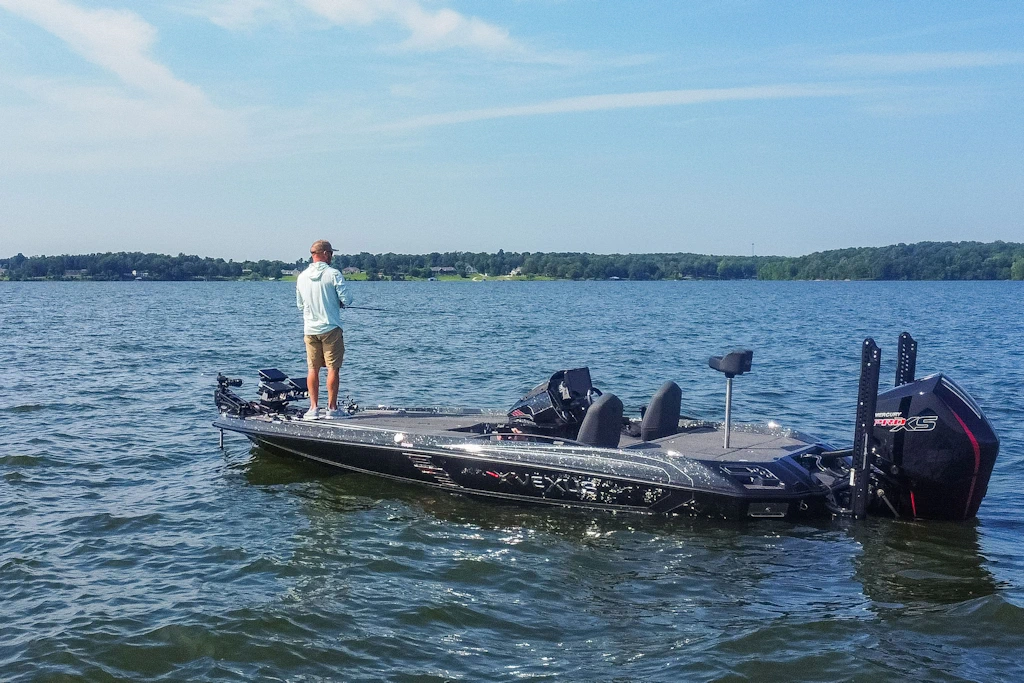
Photo courtesy Brandon Hunter.
What to Check Before Heading Out
Water temperatures: Watch the trend over several days rather than relying on a single reading. Cooling water can influence seasonal movements, but a brief cold spell doesn’t guarantee the fish have changed locations.
Lake levels: Check the current elevations and pay attention to the seasonal drawdown. Lower water can change shoreline habitat and expose navigation hazards.
Baitfish activity: Keep an eye out for shad around shallow flats, points, creek mouths, and bays. Finding baitfish can help narrow your search for feeding bass.
Weather and wind: Fall can bring beautiful, comfortable fishing weather, but cold fronts and windy conditions can change your plans quickly.
Recent fishing reports: Local reports can provide helpful information about current patterns, productive areas, and conditions across the reservoirs.
And don’t forget that the days are getting shorter. A fishing trip that might have lasted well into the evening during summer may require a little more attention to sunset times later in the fall.
Enjoy Fall Fishing on Kentucky Lake & Lake Barkley
Fall is a great time to experience a different side of Kentucky Lake and Lake Barkley.
September may still offer plenty of summer-style fishing, while October can bring increased shallow-water opportunities as baitfish movements develop. November introduces cooler conditions and the beginning of the transition toward winter fishing patterns.
Of course, those changes don’t always happen on schedule.
Our fishing report archives have shown us that fall patterns can develop slowly, shift unexpectedly, or look completely different from one year to the next.
That’s why flexibility is so important. Come prepared to explore several areas, try different presentations, and pay attention to what the fish are telling you.
Before your trip, check our latest fishing reports, review current lake conditions, and browse our fishing guide listings if you’d like some local help getting familiar with the lakes.
Fall might not be quite as predictable as we’d like, but with cooler weather, beautiful scenery, and fewer boats on the water, it’s a pretty good time to grab your fishing gear and head to the lake.

MORE FISHING
HOW'S THE BITE?
- Largemouth
- Smallmouth
- Crappie
- Bluegill Not Available
- Catfish Not Available
- White Bass Not Available
- Yellow Bass Not Available