
FISH
FISH
Kentucky Lake
& Lake Barkley

Summer Fishing on Kentucky Lake & Lake Barkley
Summer brings a different kind of fishing experience to Kentucky Lake and Lake Barkley. The spring spawning season is behind us, water temperatures are climbing, and anglers begin adjusting to new patterns as fish settle into their warm-weather routines.
It’s also the time of year when our lakes really come alive with recreational boating, swimming, and other activities. For anglers, that often means getting an early start, finding a quiet stretch of water, and making the most of the cooler morning hours.
Of course, the fish don’t necessarily take the afternoon off just because it’s hot outside.
Summer is famous for offshore bass fishing on Kentucky Lake, but there’s much more to the season than working deep ledges. Shallow-water bass, crappie, catfish, and schooling white bass can all provide opportunities throughout the warmer months.
The trick is knowing where to look, understanding how conditions affect the fishing, and being willing to change your approach when the fish aren’t cooperating.
Summer Bass Fishing: The Famous Kentucky Lake Ledges
If you’ve spent much time reading about bass fishing on Kentucky Lake, you’ve probably heard about its ledges.
Kentucky Lake has earned a reputation for offshore bass fishing, particularly during the summer months when fish begin gathering around river and creek channel structure after the spring spawn.
A ledge is essentially an underwater drop-off where a shallower area transitions into deeper water. On Kentucky Lake, many of these features follow the old Tennessee River channel and the creek channels that feed into it.
But not every ledge is equally productive.
Anglers often search for places where a channel changes direction, a point extends toward deeper water, or a submerged hump creates a change in bottom contour. These areas can become especially interesting when schools of shad are nearby.
Current can also play an important role. When water is moving through the reservoir, bass may position themselves along offshore structure where they can take advantage of passing baitfish.
That doesn’t mean turning on the current automatically turns on the bass bite, though. Fish still have to be present, and their location and willingness to feed can change throughout the day.
Working the Offshore Bite
Deep-diving crankbaits are a longtime favorite among Kentucky Lake ledge anglers. They allow anglers to cover water while working along submerged structure.
Football jigs, Carolina rigs, Texas-rigged soft plastics, and swimbaits are other popular choices, particularly when anglers want to keep a presentation near the bottom or work a specific area more thoroughly.
Electronics can be a big help, too.
Modern sonar makes it easier to identify channel edges, submerged cover, baitfish, and potential schools of bass. Forward-facing sonar has added another way to locate fish, including those suspended away from the bottom.
Still, finding fish on a screen doesn’t guarantee they’re going to bite.
Some days the offshore bite can be productive. Other days, anglers may spend considerable time searching for fish that are scattered, inactive, or simply not interested in what’s being offered.
And that’s when it’s worth remembering that not every summer bass is hanging around a deep ledge.
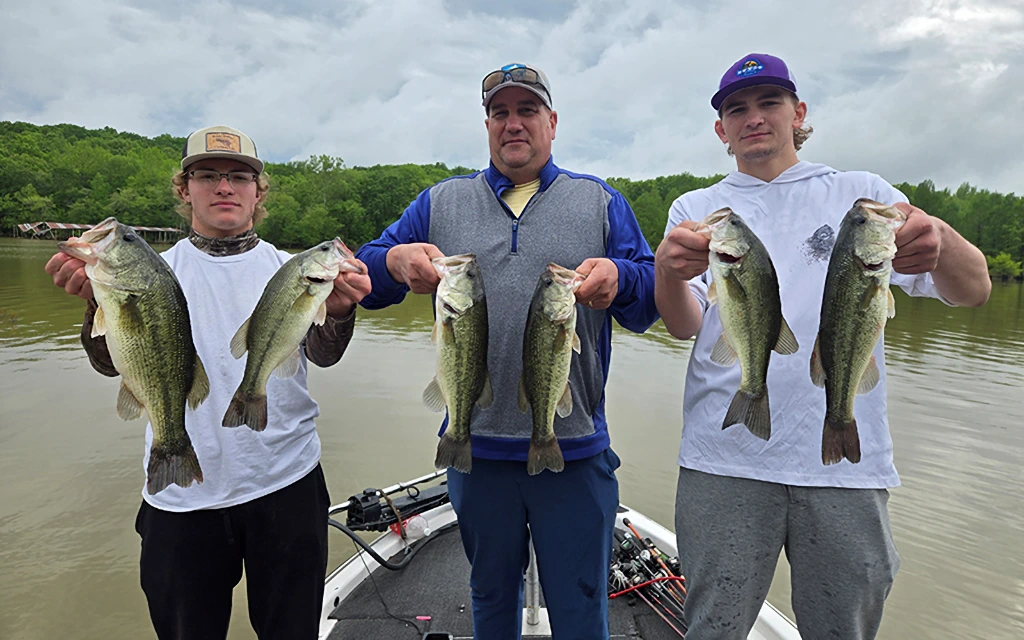
Shelldiver Guide Service with some satisfied clients during a day of bass fishing on Kentucky Lake. Photo courtesy Scott McGlinchey.
Don't Overlook Shallow-Water Bass
There’s a common assumption that bass head for deep water when summer temperatures climb. Plenty of fish do use offshore structure, but that doesn’t mean the shallow-water bite disappears.
In fact, some excellent bass fishing can happen in surprisingly shallow water during the hottest part of summer.
Kentucky Lake fishing guide Scott McGlinchey has discussed in his fishing reports finding bass feeding on shallow flats and rocky banks even during intense August heat. He’s also observed summers when offshore ledge fishing became more productive during similar weather.
It’s a good reminder that air temperature alone doesn’t tell you where the bass will be.
Shad location, available cover, and the conditions in a particular section of the lake can all influence where anglers find feeding fish.
Shallow bars, points, rocky shorelines, creek mouths, and flats can be worth investigating, especially when baitfish are present.
Topwater Fishing in the Summer Heat
Early mornings and late evenings are popular times to work topwater lures, and for good reason. Low-light conditions can provide opportunities to catch bass feeding around shallow cover before the sun gets high.
Walking baits, buzzbaits, and other surface presentations are common choices. Spinnerbaits and shallow-running lures can also be effective, particularly when wind or waves make it difficult to work certain topwater presentations.
But here’s something worth remembering: a shallow-water bite isn’t necessarily limited to sunrise and sunset.
Scott has described catching bass in very shallow water throughout the day, including periods when the sun was high and temperatures were soaring.
That’s not a promise that the same pattern will work every August. It simply demonstrates why anglers shouldn’t rule out shallow water before giving it a chance.
If the offshore fishing is slow, a little time exploring flats, rocky banks, and areas where baitfish are active might be worthwhile.
Summer Crappie Fishing: Away from the Spawning Banks
Spring gets much of the attention when it comes to crappie fishing, but Kentucky Lake and Lake Barkley offer opportunities to target crappie during the summer months, too.
The biggest difference is where anglers are likely to find them.
After the spawn, crappie become less concentrated around shallow spawning habitat. Many move toward deeper cover, creek channels, and offshore structure, while others may suspend away from the bottom.
That can make finding fish a little more challenging than it was during the spring.
Brush piles, stakebeds, submerged timber, and channel drops are all worth investigating. However, anglers shouldn’t assume every productive summer crappie location will have visible cover.
Some fish may be scattered across deeper flats or suspended near schools of baitfish.
Trolling, Jigging, and Finding Summer Crappie
Trolling crankbaits is a popular summer crappie technique on Kentucky Lake, particularly for anglers who want to cover water while searching for scattered fish.
In his reports, fishing guide Doug Wynn has frequently discussed trolling crankbaits for summer crappie, including days when the method produced quality fish along with catches of other species.
For anglers who prefer a more stationary approach, vertical jigging and fishing minnows around submerged cover can also be productive.
Electronics can help identify brush piles and suspended fish, and forward-facing sonar has become another tool used by anglers targeting individual crappie away from traditional shallow-water locations.
The important thing is to remain flexible about both location and presentation.
A brush pile that produces fish one week may not be as productive the next. And just because crappie aren’t holding tight to cover doesn’t mean they’ve completely abandoned the area.
Summer crappie fishing sometimes requires more searching, but anglers who are comfortable fishing offshore can find opportunities well beyond the spring spawn.
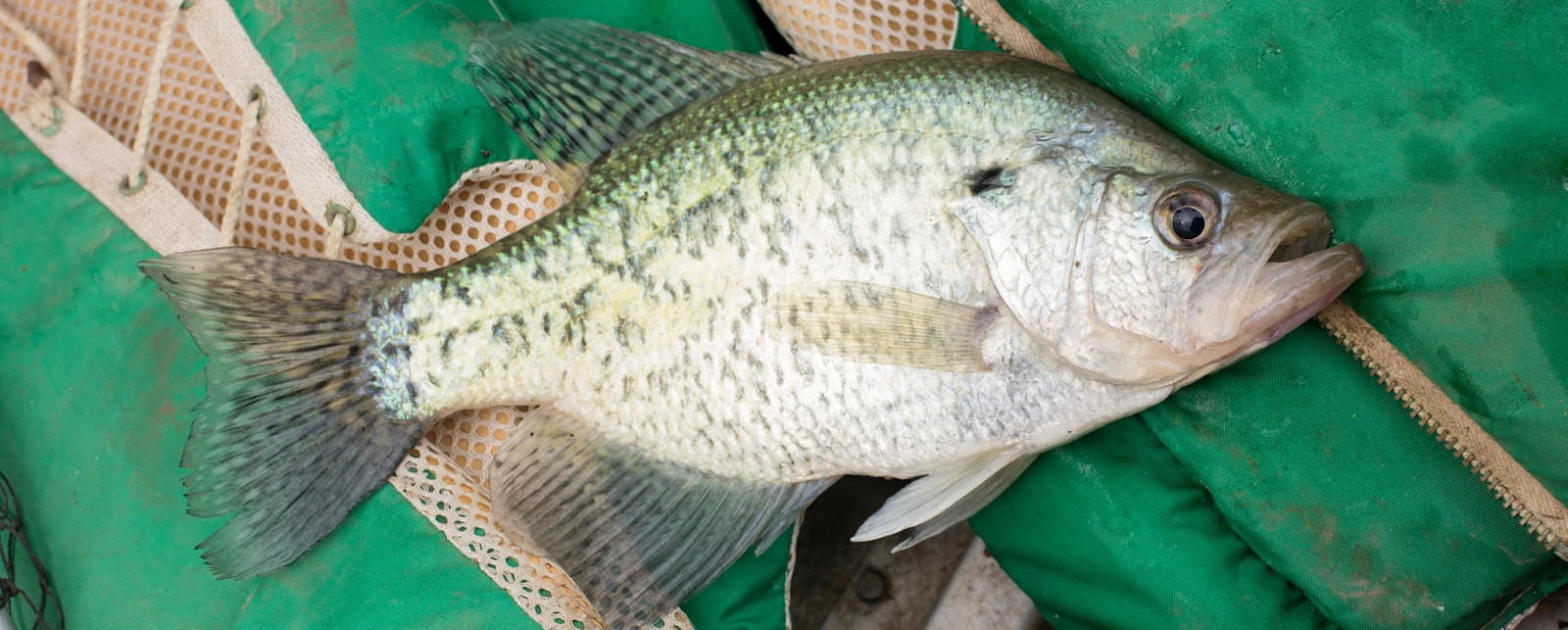
White crappie. Photo from our sister site, KentuckyLake.com
Catfishing: Another Great Summer Option
Bass and crappie might grab much of the attention, but summer is also a popular time to target catfish on Kentucky Lake and Lake Barkley.
Channel catfish can be found around creek channels, main river channel areas, and other structure. Blue catfish and flathead catfish provide additional opportunities, although their preferred habitats and feeding patterns aren’t identical.
For channel catfish, traditional baits such as nightcrawlers, cut bait, and chicken livers remain popular choices. Cut bait is also commonly used by anglers targeting blue catfish.
Some anglers anchor around channel edges or other structure, while others drift to cover more water.
Moving water can be an important consideration, especially along the river channels. Current may help concentrate feeding activity, although the strength and location of the bite can vary.
Summer catfishing isn’t necessarily limited to daylight hours, either. Fishing during the evening or overnight can be a way to avoid some of the afternoon heat and recreational boat traffic.
Just be sure to take the appropriate precautions for nighttime navigation.
White Bass and Other Summer Surprises
Summer can also bring opportunities for white bass, particularly when schools are feeding around offshore structure or chasing baitfish.
These fish may gather around river and creek channel ledges, deeper flats, and other areas where forage is present.
At times, anglers may spot feeding activity near the surface. At other times, finding white bass requires searching deeper water with electronics.
Small crankbaits, blade baits, spoons, and other baitfish-style presentations can be effective.
And don’t be surprised if a day of trolling for crappie turns into a mixed catch. White bass, yellow bass, and other species sometimes show up when anglers are fishing around deeper summer structure.
That’s part of the fun of fishing these lakes. You don’t always know what’s going to be on the other end of the line.
Understanding Current, Water Levels, and Summer Conditions
Summer fishing on Kentucky Lake and Lake Barkley involves more than watching the thermometer.
Both reservoirs are managed as part of major river systems, and changing water levels and dam operations can influence fishing conditions throughout the season.
On Kentucky Lake, TVA manages water levels and releases through Kentucky Dam. Lake Barkley is managed by the U.S. Army Corps of Engineers through Barkley Dam.
Those operations, along with rainfall and other conditions, affect water movement and reservoir elevations.
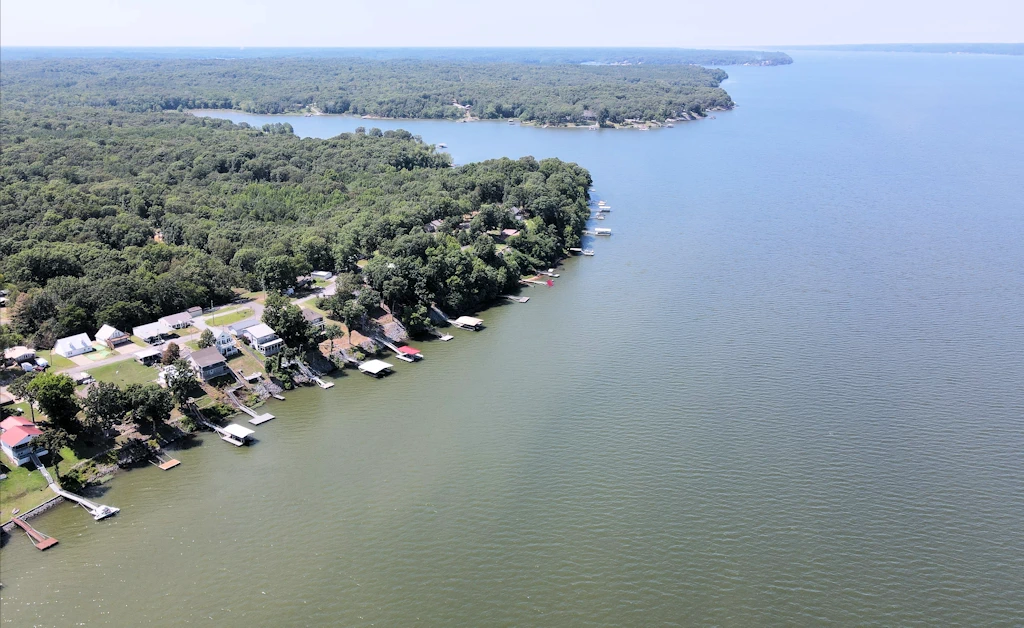
Kentucky Lake is a big lake! Photo by Explore Kentucky Lake.
Why Current Matters
Current is especially interesting to anglers fishing offshore ledges and channel structure.
Moving water can affect how baitfish and predatory fish position themselves around underwater features. Some anglers find that bass and catfish become more active when current is present.
However, there’s an important distinction between water being released at a dam and the conditions at a particular fishing spot.
A generation or discharge schedule doesn’t tell you exactly how much current is moving across an individual ledge miles away.
That’s why checking current conditions is useful, but actually observing what is happening where you’re fishing remains important.
Watch Those Falling Lake Levels
Summer lake levels deserve attention, especially as the reservoirs begin their seasonal transition toward lower fall and winter elevations.
The lakes usually begin their slow descent on July 4, reaching winter pool by December 1. During the final weeks of summer after Labor Day, both Kentucky and Barkley lakes can be as much as three feet below summer pool.
Areas that were safely navigable during higher water may become considerably shallower as water levels fall.
Submerged stumps, old roadbeds, shallow bars, and other underwater hazards can become a concern, particularly outside marked navigation channels.
Fishing guide Doug Wynn has warned anglers about this very issue, noting that routes safely traveled earlier in the summer may become hazardous as lake levels drop.
It’s advice worth taking seriously.
Check current lake elevations before heading out, pay attention to navigation markers, and don’t assume that last month’s route across a shallow area is still safe.
Making the Most of Your Summer Fishing Trip
A little planning can make summer fishing on Kentucky Lake and Lake Barkley much more enjoyable.
The warmer months bring hot afternoons, occasional thunderstorms, and plenty of recreational boat traffic. On busy weekends, some parts of the lakes can get pretty crowded by midday.
For many anglers, an early start makes sense.
Launching around sunrise can provide cooler temperatures, calmer conditions on some mornings, and a chance to fish before recreational traffic picks up.
Late afternoons and evenings can offer another opportunity, although weather and lake conditions should always guide your plans.
Here are a few things worth checking before you head out:
Water levels and releases: Review the latest lake elevations and dam information, particularly if you’re planning to fish offshore structure or travel through shallow areas.
Weather and wind: Summer thunderstorms can develop quickly, and strong winds can make the open waters of Kentucky Lake and Lake Barkley uncomfortable or dangerous. Monitor the weather here or your favorite app.
Water temperatures: Warm surface temperatures can influence fish behavior, but they don’t reveal everything happening below the surface. Check them before you head out.
Recent fishing reports: Local guides can provide valuable insight into which patterns are producing and how conditions are changing.
And don’t forget to prepare for the heat. Bring plenty of drinking water, use sun protection, and consider taking a break during the hottest part of the afternoon.
There’s no reason to turn a fishing trip into an endurance contest!
Enjoy Summer Fishing on Kentucky Lake & Lake Barkley
Summer fishing around our lakes offers plenty of variety.
June often brings increased attention to offshore bass fishing as fish settle into postspawn patterns. July can provide opportunities along ledges, creek channels, and deeper cover, while August may bring a changing mix of offshore and shallow-water fishing.
Of course, the fish aren’t reading the calendar.
Some days the ledges are where anglers want to be. Other days, a shallow flat or rocky shoreline might be the better choice. Crappie may be scattered around offshore structure, while catfish and white bass offer additional possibilities.
The key is to arrive with a few different approaches in mind and pay attention to what’s happening on the water.
Before your trip, check our latest fishing reports, review current lake conditions, and browse our fishing guide listings if you’d like some local help getting familiar with the lakes.
Summer might bring some serious heat to Kentucky Lake and Lake Barkley, but there’s still plenty of fishing to enjoy. Sometimes the best part of the day starts before most folks have finished their morning coffee.

MORE FISHING
HOW'S THE BITE?
- Largemouth
- Smallmouth
- Crappie
- Bluegill Not Available
- Catfish Not Available
- White Bass Not Available
- Yellow Bass Not Available