
FISH
FISH
Kentucky Lake
& Lake Barkley

Spring Fishing on Kentucky Lake & Lake Barkley
There’s something about spring that brings anglers back to Kentucky Lake and Lake Barkley year after year. The crappie are moving toward their spawning grounds, bass are becoming more active, and before long, bluegill and shellcrackers will be getting in on the action, too.
It’s one of our favorite times of year around the lakes, and certainly one of the busiest on the water.
Of course, spring fishing doesn’t always go according to plan. A few warm, sunny days can get things moving, only for a late-season cold front to shake everything up. Fish that were moving toward the banks might suddenly be harder to find, and the pattern that worked last weekend may not produce much the following weekend.
That’s part of fishing Kentucky Lake and Lake Barkley in the spring. Understanding how the fish respond to changing water temperatures, weather, and lake conditions can make a big difference when planning your trip.
Early Spring: Waking Up from Winter
March is when spring fishing begins to pick up around Kentucky Lake and Lake Barkley, although Mother Nature doesn’t always get the memo.
As the water gradually warms, bass and crappie begin transitioning away from their winter locations toward the areas they’ll use during spawning season. Depending on the weather, that movement can be gradual, interrupted, or already well underway by the time March arrives.
For crappie anglers, early spring can mean searching the deeper approaches to spawning areas. Submerged brush piles, stakebeds, and creek channel edges are all worth investigating as fish begin their seasonal movement.
Bass anglers may find opportunities along main lake points, channel banks, and other areas that provide access to both shallow and deeper water.
One thing worth remembering is that the water doesn’t warm uniformly across these large reservoirs. Protected bays and shallow pockets can warm more quickly than exposed main lake areas. That can create very different fishing conditions just a short boat ride apart.
Instead of relying entirely on the calendar, pay attention to water temperatures, recent weather, and what local anglers are reporting.
Spring Crappie Fishing: It's All About the Spawn
If there’s one fish that gets plenty of attention around here each spring, it’s crappie.
Kentucky Lake and Lake Barkley are popular destinations for both black and white crappie, and the spawning season brings anglers from across the region to our waters.
Crappie typically begin spawning as water temperatures reach the lower 60s, with the 62–66°F range commonly associated with active spawning conditions, according to legendary outdoorsman Steve McCadams.
Black crappie generally begin spawning earlier than white crappie, although timing varies with local conditions. That doesn’t mean every crappie heads for the bank the moment your fish finder reads 62 degrees.
Some fish may already be using shallow spawning areas, while others are still holding around deeper cover or staging along the approaches to bays and creeks. Different parts of the reservoirs can also be at different stages of the spawn.
That’s an important distinction, especially for visitors who arrive expecting to find every crappie tucked against the shoreline.
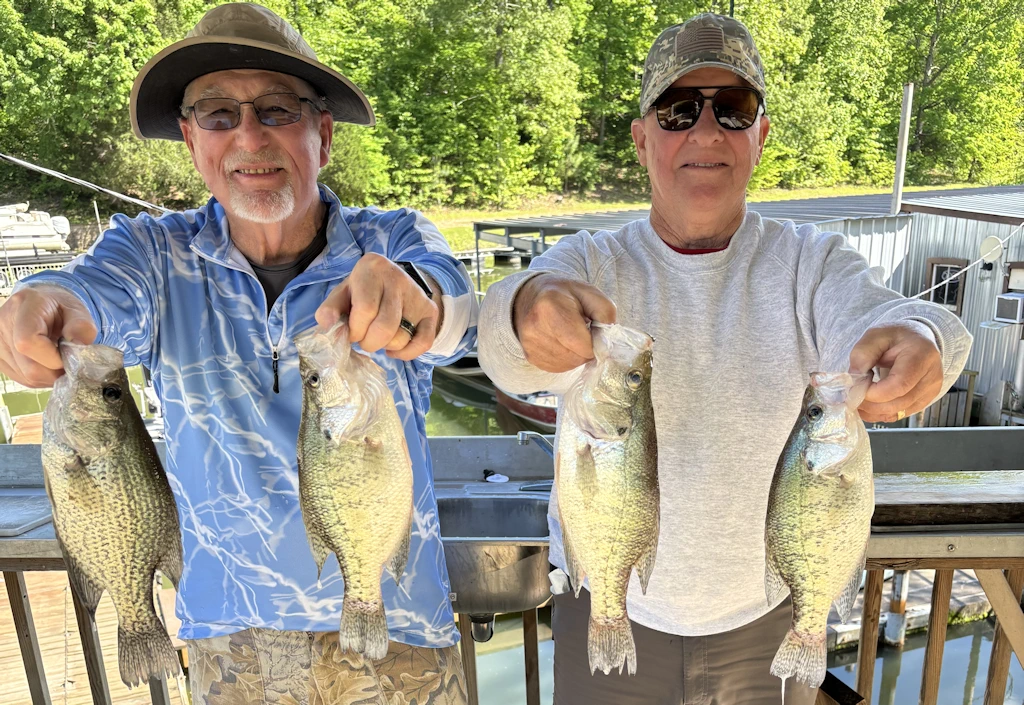
Professional guide Doug Wynn’s clients showing off crappie catches on Kentucky Lake. Photo courtesy Doug Wynn.
Finding Crappie Before, During, and After the Spawn
Early in the season, crappie often stage around creek channels, submerged brush piles, stakebeds, and other structure near spawning habitat.
Long-line trolling with jigs, fishing minnows around deeper cover, and vertical jigging are popular approaches during this part of the season. These techniques allow anglers to cover different depths and locate fish that haven’t yet moved into shallow water.
As water temperatures rise and spawning activity increases, attention turns toward the banks. Protected bays, shoreline cover, and shallow flats become increasingly important.
Casting small jigs or fishing beneath a slip float can be productive when fish are using shallow cover. Anglers may also find success around submerged wood, stakebeds, and other fish attractors.
But don’t overlook the fish that haven’t moved shallow yet.
Steve McCadams has frequently discussed the effects of changing spring weather on crappie fishing in his reports. Cold fronts, wind, and fluctuating water temperatures can complicate the search for fish, particularly during the spawning season.
The crappie spawn isn’t a single event that happens everywhere at once. Different areas of the lakes warm at different rates, and black and white crappie don’t necessarily follow identical schedules.
If the shallow bite isn’t producing, try exploring nearby drops, creek channel edges, or deeper cover before calling it a day. You may find that fish haven’t moved as far toward the banks as expected.
Spring Bass Fishing: Plenty of Different Patterns
Crappie might get much of the attention during spring, but bass fishing on Kentucky Lake and Lake Barkley has plenty to offer.
The challenge, and sometimes the fun, is figuring out what stage of the spring transition you’re fishing.
During early spring, largemouth bass may still be using points, creek channel banks, and other areas near deeper water. Suspending jerkbaits, crankbaits, and jigs are popular presentations during this part of the season.
As conditions warm, shallow-water fishing becomes an increasingly important part of the picture.
Bass begin moving toward spawning areas, and anglers often focus on gravel banks, protected pockets, shoreline brush, and other shallow cover. Spinnerbaits, soft plastics, and shallow-running crankbaits are among the presentations worth considering, depending on water clarity and available cover.
But there’s another side to spring bass fishing that’s easy to overlook.
Not Every Bass Is Along the Bank
By late April and into May, some bass may already be leaving their spawning areas and transitioning toward deeper water.
Other fish may still be hanging around shoreline cover, secondary points, and shallow pockets. That’s part of what makes late-spring bass fishing on these lakes so interesting. Anglers can sometimes find productive shallow-water and offshore patterns during the same trip.
For those who enjoy fishing offshore structure, late spring may offer the beginning of the ledge fishing opportunities Kentucky Lake is known for.
Main lake ledges, creek channel drops, and other offshore structure become increasingly important as bass begin shifting toward their summer locations.
Meanwhile, anglers who prefer fishing the banks may still find productive patterns around shoreline bushes, points, and other shallow cover.
The trick is recognizing when your preferred pattern isn’t producing and being willing to try something different.
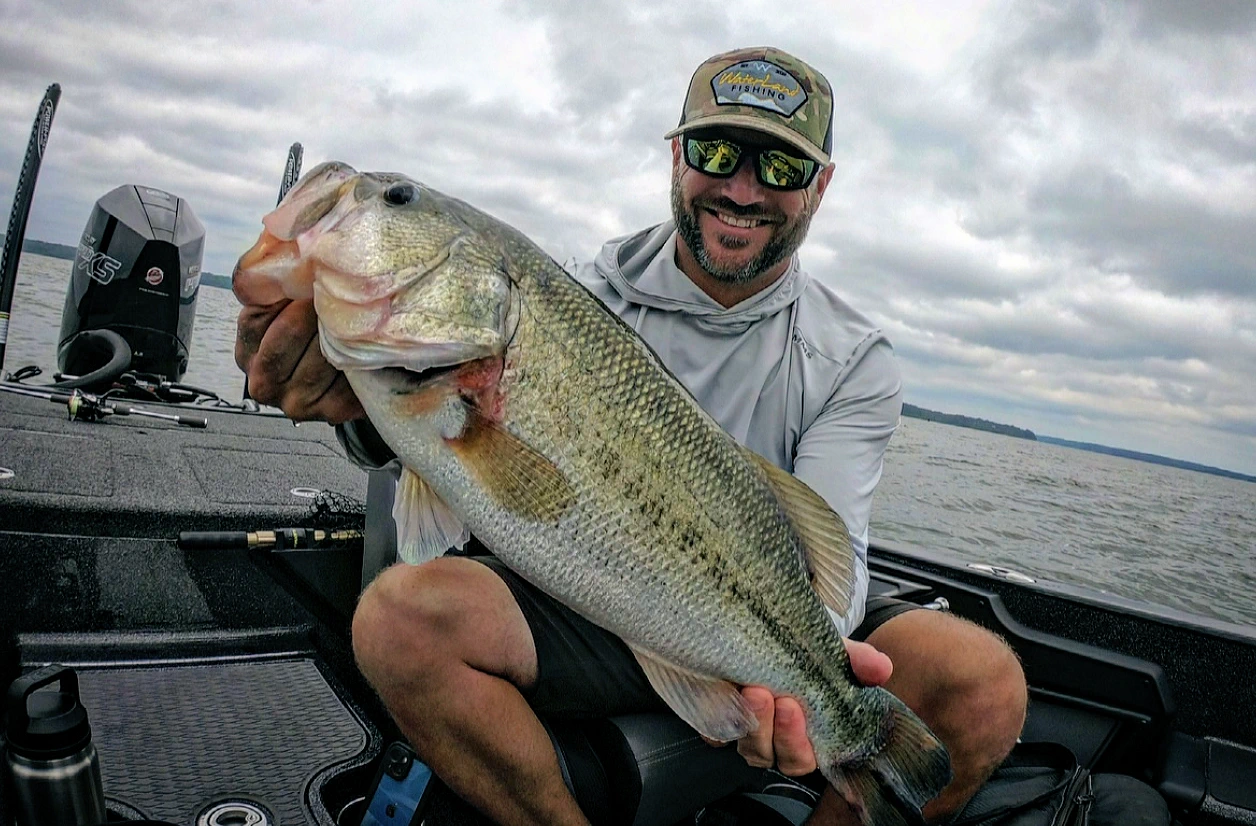
Brandon Hunter, a professional guide and angler on Kentucky Lake, is shown with a nice largemouth. Photo courtesy Brandon Hunter.
Late Spring Brings Bluegill and Shellcrackers
By late April and May, another popular fishing opportunity begins taking shape around Kentucky Lake and Lake Barkley.
Bluegill and redear sunfish, commonly called shellcrackers, begin moving toward their spawning areas as the water continues warming.
Kentucky Lake has a particularly strong reputation among anglers who enjoy targeting shellcrackers, which can grow considerably larger than the bluegill many anglers are accustomed to catching.
Both species use shallow spawning areas with suitable bottom conditions, although their preferred habitat and spawning timing can differ.
Bluegill often create groups of nests in relatively shallow water, sometimes forming large bedding colonies. Redear also nest in colonies and are often found in areas with firm bottoms, including sand and gravel.
Shoreline bushes, submerged vegetation, protected pockets, and flats can all be worth investigating as spring progresses.
Finding active beds sometimes takes a little searching. Fish may be concentrated in one pocket while apparently similar areas nearby produce very little action.
Crickets, worms, and small jigs are popular choices for bluegill. Redear anglers frequently use worms presented near the bottom, where these fish commonly feed.
Bluegill and shellcracker fishing can be an excellent addition to a late-spring trip, especially when bass and crappie are beginning to move away from their earlier spawning patterns.
And for anglers who enjoy catching panfish, there’s nothing wrong with setting the bass lures aside for an afternoon!
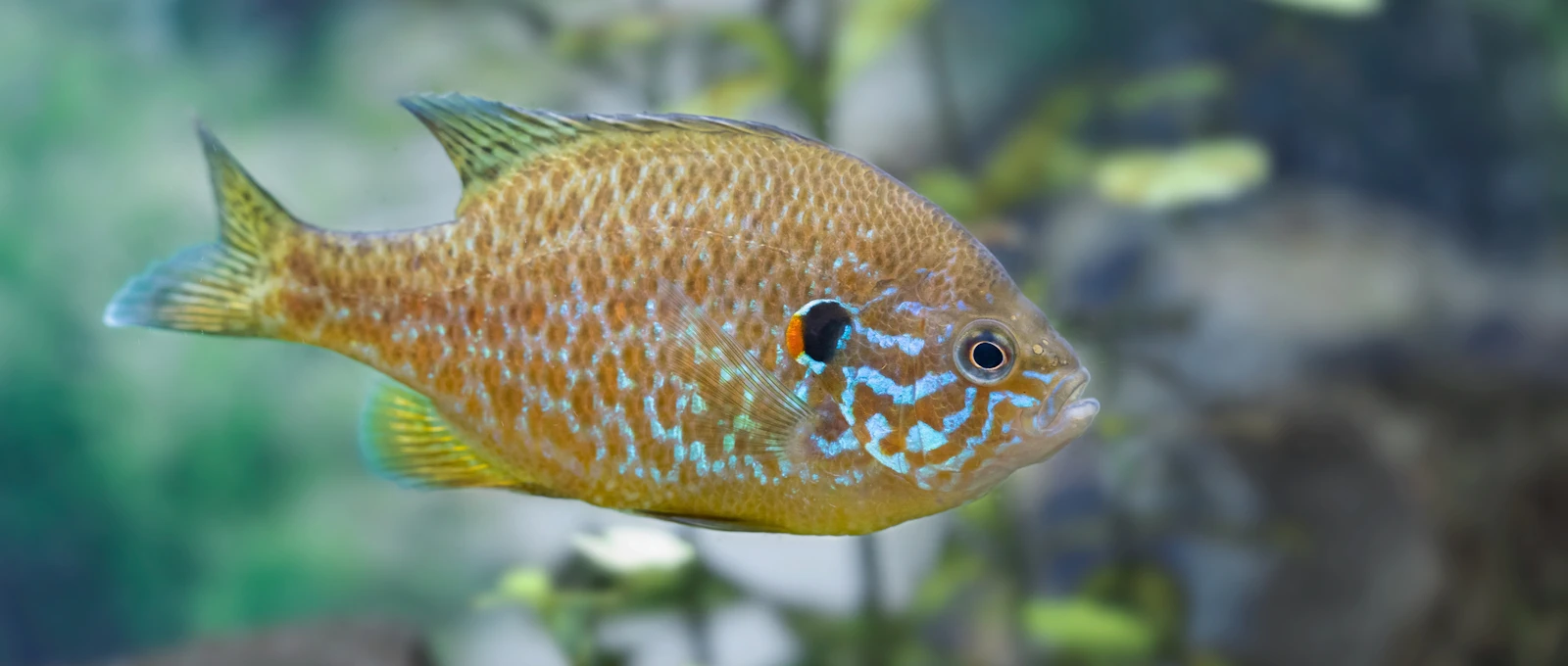
Redear, or shellcrackers. Photo from our sister site, KentuckyLake.com
Water Levels, Weather, and Spring Fishing Conditions
One thing that makes spring fishing interesting on Kentucky Lake and Lake Barkley is how quickly conditions can change.
Both are managed reservoirs, and water levels respond to a combination of dam operations, rainfall, and runoff. During spring, changing levels can have a noticeable effect on the shoreline habitat available to fish.
When water rises, areas of shoreline brush and vegetation that were previously dry may become flooded. That’s especially interesting for bass anglers looking for shallow cover.
Falling water can have the opposite effect, leaving some of those areas too shallow or completely exposed.
Heavy rainfall can muddy portions of the lakes, particularly in bays, creeks, and areas receiving significant runoff. One section may have fairly clear water while another looks completely different.
Spring weather also has a way of keeping anglers guessing. Warm afternoons, chilly mornings, passing thunderstorms, and windy conditions can all make an appearance during the same week.
What to Check Before Heading Out
A little homework can go a long way, especially if you’re visiting from out of town.
Water temperature: Pay attention to the trend, not just the number. Several days of warming can tell a different story than a brief afternoon temperature spike. You can get that data right here.
Lake levels: Check the current elevation and recent changes. Rising or falling water may affect the shoreline cover anglers are targeting. We have real-time lake levels from TVA.
Water clarity: Conditions may be different between the main lake and the backs of bays or creeks, particularly following heavy rainfall. We keep track of that on our Lake Conditions section.
Wind: Spring can bring some windy days to Kentucky Lake and Lake Barkley. Conditions on exposed main lake areas may be considerably rougher than those in protected bays. Current weather and forecasts are found here on our site.
We recommend checking the latest lake conditions and fishing reports before your trip, then adjusting your approach once you’re on the water.
May Fishing: Getting a Taste of Summer
By May, the fishing scene around our lakes begins changing again.
Crappie that were concentrated around spawning areas may become more scattered, with some fish moving toward deeper cover or suspending away from the shoreline.
Bass begin showing up in areas associated with their summer patterns, including offshore ledges, points, and creek channels.
That doesn’t mean shallow-water fishing is finished.
In fact, late spring can offer a little bit of everything. Bass may be feeding around offshore structure while other fish remain close to the banks. Crappie anglers may find fish scattered across deeper areas, while bluegill and shellcracker fishing is getting plenty of attention in the shallows.
The late Dave Stewart, a longtime Kentucky Lake fishing guide and contributor to our fishing reports, often discussed the importance of recognizing both shallow-water and offshore bass opportunities during the spring transition (you can read his archived fishing reports here).
For visiting anglers, late May can provide an interesting mix of spring and early summer fishing.
It’s a good time to broaden your search beyond the banks, especially if the fish aren’t cooperating in the places you’d expect to find them a few weeks earlier.
Make the Most of Spring Fishing on Kentucky Lake & Lake Barkley
One of the things we enjoy about spring fishing around here is the variety.
March can provide opportunities for anglers targeting bass and crappie as they move out of their winter patterns. April often brings increased spawning activity, while May offers a combination of late-spring panfishing and the beginning of summer fishing patterns.
Of course, the fish don’t always follow that schedule.
If there’s one thing we’ve learned from more than two decades of fishing reports, it’s that no two springs are exactly alike. A warm spell, an unexpected cold front, or a change in lake levels can make one season considerably different from the next.
The best approach is to come prepared with a few different patterns in mind and be willing to adjust as conditions change.
Before your trip, browse our latest fishing reports, check current lake conditions, and take a look at our fishing guide listings if you’d like some local help getting familiar with Kentucky Lake or Lake Barkley.
Spring is a great time to be on the water around here. And with so many different fishing opportunities available, there’s plenty to look forward to throughout the season.

MORE FISHING
HOW'S THE BITE?
- Largemouth
- Smallmouth
- Crappie
- Bluegill Not Available
- Catfish Not Available
- White Bass Not Available
- Yellow Bass Not Available