 66°
- 358.76'
66°
- 358.76'





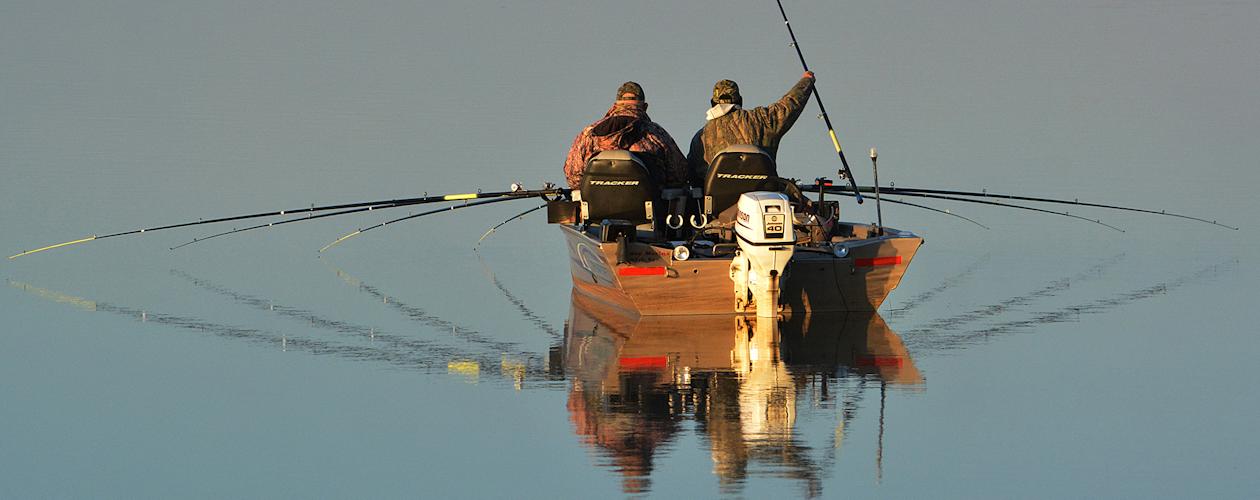
Fishing 101: Bass
Kentucky Lake and Lake Barkley are two of the best fisheries in the United States.




Bass Fishing 101
Whether you are a local angler, tournament angler, or coming to the lakes for vacation, one must have an understanding of a lake before getting started. Kentucky and Barkley lakes are two major bodies of water with a lot of shoreline, making it very intimidating on where to get started.
The goal here is to provide you with as much information about the lake and to help you get the most out of your time here on the water. This is Bass Fishing 101.
Lake Conditions
One of the most important factors when going to a new lake is to become familiar with the current lake conditions. There is a lot of good information that can be found about the lake conditions. Water levels, water temperatures, and water clarity are a few that come to mind.
Water Level
Why would the lake elevation affect the fishing so much? Probably one of the most important factors that can change day-to-day on the lake is rising or falling water. Understanding where to look and what to look for when this happens is very important. This can be a factor due to flooding or heavy rains. Kentucky Lake is a holding lake and all the water from the upper end of the Tennessee River system comes to Kentucky Lake before dumping below the dam.
Typically when water rises, fish move shallow and when water is falling fish will move out deeper and suspend. Water levels changing drastically can make for some tough fishing, as well as some good fishing if things line up just right.
Water Temperature
Changing water temperatures are something to keep an eye on, especially in the spring months. When a cold front moves through, it can really slow the bite down. Bass will get active due to warmer water temperatures and when that cold front moves through, they tend to get sluggish and not feed up as well. Once spring sets in and on into summer, this is not as much of a factor until the fall months when temperatures start cooling back down.
Smallmouth bass definitely like the cooler temps. That's why you see them more active in the spring and fall months when water temps are cooler. I wouldn't say bass become dormant in the winter months. As a matter of fact, some of your better fishing can come in the winter months. The magic water temps are mid 40s. Once water temps fall below 40° they become less active. Some of your biggest fish will be caught in the winter months.
Current
Understanding current, especially in the summer months is very important. In the summer, water temperatures are typically warmer and not as much oxygen is in the water. With that being said, the fish need the water flow for oxygen, making them more active and feeding more. This is why you see the fish school up offshore so much on our lakes. It's pretty simple, when TVA is pulling water, the fish will be more active and when the flow is slow to almost nothing, the fishing will be slow.
Current controls a lot of things including fish position, baitfish position, and whether or not they will actively feed or not. In the hot summer months, TVA will generate more electricity, therefore creating more current. Always remember to look for current breaks. This can be a point that sticks out into the water or an underwater point. Fish want to have a place to hide and they will use anything they can get behind to do so.
Water Clarity
For the most part Kentucky and Barkley lakes are clear to light stain. Depending on heavy rains that move through, the lake will stay somewhat clean with a light stain for most of the year. When the water gets muddy, say from heavy rains, most of our creeks will muddy up. In order for the main lake to muddy up, they have to have most of the rain south of here.
When all that water gets to us, it obviously brings muddy water. It can most definitely affect the fishing, but not always in a bad way. Typically the fish will move shallow when water is muddy. Fish shallow cover such as rock or wood. Dark colors or bright colors are best for muddy water such as blacks, dark blues, and chartreuse.
Lunar Patterns & Nighttime Fishing
Smallmouth and largemouth both feed at night in the summer months better. I think a lot of it is that the fish move shallow at night because the baitfish move up. They will pull up from the deep places they are on during the day and become more active after dark. You can catch just as many, if not more largemouth than smallmouth, but for some reason those big smallmouth will show up at night in the summer.
Lunar patterns most definitely affect bass fishing. A lot of things actually. Barometric pressure, cool fronts, winds switch directions, current. A lot of variables to take into consideration. I personally don't pay much attention to this simply because you can't control mother nature. If I want to go fishing, I'm going fishing regardless if the tables show the best feeding time is a certain time. This is what I preach to my clients. Keep it fun and remember there is one guarantee in fishing... there are no guarantees.
Structure
What kind of structure will I find on the lakes?
Kentucky and Barkley lakes are man-made lakes. You will find wood, rock, brush piles, docks, and ledges. What is a ledge? A ledge can be any kind of water level change under the water. It can be a 1' change or a 10' change. Our lakes are known for its offshore ledge fishing for bass and locating the right ones can be tricky. The key is high percentage areas, instead of trying to break down the whole lake.
The mouths of major creeks and main river ledges at the mouths of major creeks are the first places to look. Remember what I said about current breaks? Now let's put the two together. Current breaks and a ledge at the mouth of a creek, you will find bait and you will find bass.
There is a misunderstanding that Kentucky and Barkley Lakes offer ledge fishing year round. This is not the case. I do believe a good number of fish live on the main lake year round, but finding them on ledges may be tough in the spring months during the spawn. Our lakes offer a wide variety of structure to fish during all seasons.
Largemouth Bass
It's safe to say that largemouth bass are the dominant bass species in Kentucky and Barkley Lakes, feeding primarily on threadfin and gizzard shad. There are times that the fish will feed on crawdads, but it's not considered a primary forage. As seasonal patterns change, you will find that the shad patterns change as well.
Spring Patterns
Spring time is most definitely a very productive time of the year simply because we base our patterns around the spawn. We have prespawn, spawn, and post spawn.
One important factor to keep in mind is that the fish are on the move this time of year and in transition. The prespawn will start sometime around the first to the middle of March when water temperatures are in the low 50's. These fish are coming off the winter months and feeding up for spring time and thinking about moving shallow for the spawn.
The fish can be taken on a variety of lures this time of year from jerkbaits, crankbaits, and lipless crankbaits. During the prespawn one can concentrate on points off the main lake or just inside the main lake around points. Pea gravel and chuck rock banks are the primary target this time of year. Keep in mind that rock will heat up quicker than anything else and those fish will pull up in the afternoons on those rock banks to feed.
The spawn will usually start sometime around late April and the first of May. Water temps will warm up to the 60° mark and fish will have made their way to the backs of the creeks and pockets off the main lake. Kentucky and Barkley lakes offer a lot of shallow cover around the banks including buck brush and mustard flowers. TX rigged plastics, frogs, spinnerbaits are all good choices during the spawn.
Those big females can be harder to target simply because they have one thing on their mind: spawning. The males are little easier to catch this time of year. When the spawn is over and the water temps have hit close to 70°, the fish will start to migrate to the secondary points and to the creek channels at the mouths of the creeks. TX Rigs, Carolina Rigs, Deep Crankbaits can be the dominant baits of choice. This time of year those fish will really be feeding up after the spawn.
Summer Patterns
The summer ledge bite is here and you don't know where to begin? One thing to remember as soon as the spawn is over, those fish will pull out deep in 20-25' of water to regroup from the spawn before really actively feeding again. The deep fish can be caught, but give them a bit of time and they will get active again and will be easier to catch. They will begin to move up onto those 12-15' ledges.
River channel ledges and ledges at the mouths of the creeks are good places to start looking. For the most part, the fish will stay out for the majority of the summer, until hot surface water temperatures force them back up shallow in late summer.
Fall Patterns
Summer has come and gone and it's important to note that in the fall months, if you find the shad, you will find the bass. This time of year the shad will start to migrate to the creeks. The bass will follow. Topwater patterns are dominant this time of year, and the fish are actively feeding.
They see winter not far off. The backs of the creeks are a great place to start looking this time of year with some gravel points coming into play as well. Spinner baits and lipless crankbaits are good choices as well.
Once the middle of September gets here, usually we have had a few cool nights to get those water temps back down. The key is those cooler nights. I don't recall a specific water temp that the bait starts moving in, but typically its middle to end of September when you will start seeing bait migrate and once water temps get back down into the 70s, fish will become fore active again. It really varies based on the cool vs. warm weather we are having.
Smallmouth Bass
Spring Patterns
This time of year is probably your best bet to find that big smallmouth you have been looking at catching. Both lakes have a good population of smallmouth, but it seems like over the years Kentucky has the better population. In the spring time, smallmouth are more active than any other time of year. They will gang up around current breaks.
The good news is that smallmouth love pea gravel and current. It just so happens that Kentucky and Barkley Lakes offer both. In the spring of the year, due to heavy rains, you will see a lot of current in the lakes, making for some great smallmouth fishing. These fish can be caught on jerkbaits, crankbaits, and bottom baits such as "Ned Rigs". Target the down current side of the points when looking for these fish and when you get ahold of one in the current, hold on!
When water temperatures hit 60°, these fish will start their spawning cycle. They spawn in the same areas around gravel and wood. Smallmouth will spawn deeper than largemouth and typically sooner than largemouth.
Summer Patterns
Smallmouth can still be caught during the summer months on the lakes, but I don't recommend targeting them specifically this time of year. The largemouth population is so much greater, you will have more success chasing largemouth and if you stumble on those big brown ones, it's a bonus. The night fishing can be really good for these big smallmouth, feeding more at night around wood.
Fall Patterns
A lot like the largemouth, the smallmouth will move with the bait. These fish will show back up on the same places you found them in the spring. Topwater and shallow crankbaits are the baits of choice in the fall months. Look for wood just under the water or big rock, smallmouth love a big topwater bait in the fall.
Editor's Note: Fishing 101: Bass Fishing is written by professional fishing guide Brandon Hunter.